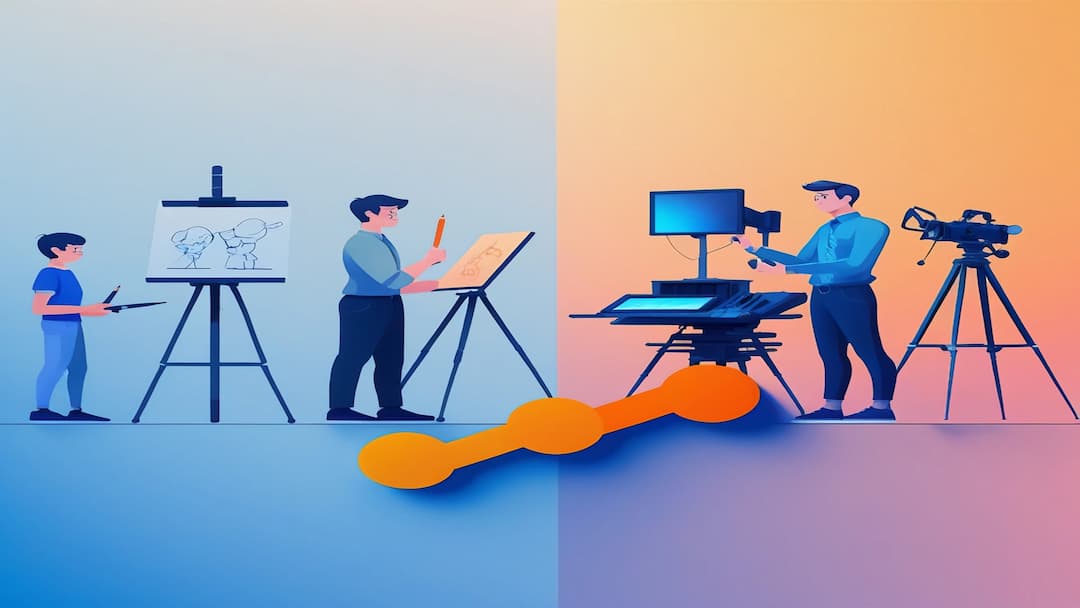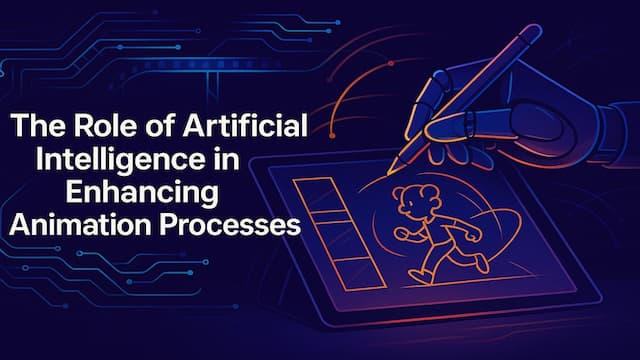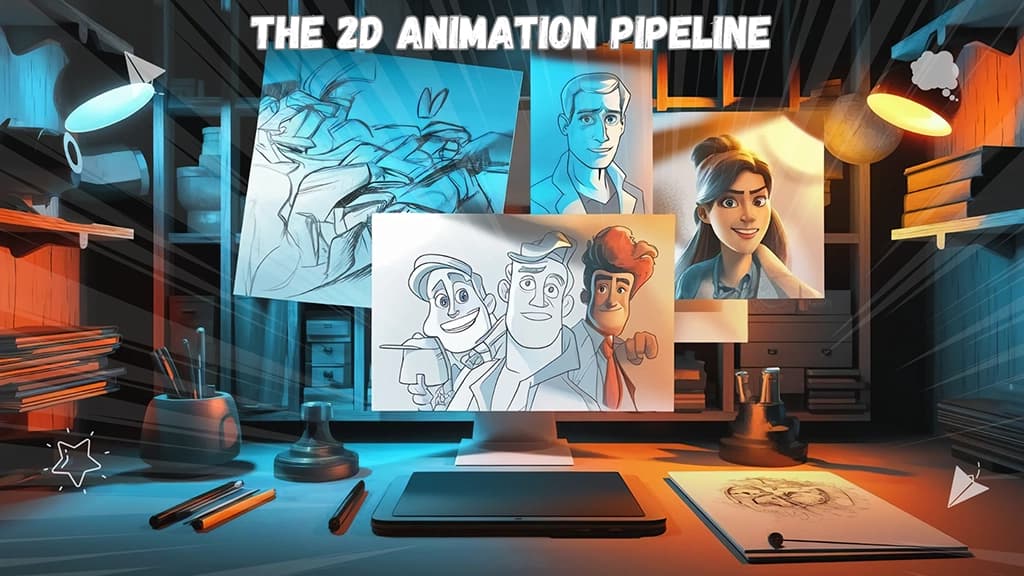

- The 2D animation pipeline has essentially three phases: pre-production, production, and post-production
- New 2D animation combines traditional artistic principles with digital tools
- A typical 2D animated series episode takes 6-8 months from concept to completion
The 2D animation process is very much like a symphony well conducted, and every musician plays their part at the right time. Whether one is an aspiring animator or an individual looking to commission animated content, understanding this process will determine success or failure.
Did you know? The global 2D animation market reached $259.97 billion in 2021 and is projected to grow to $642.5 billion by 2030, according to Strategic Market Research. This explosive growth means more opportunities for both creators and businesses alike.
Breaking Down the Pre-Production Phase
Story Development: Where Magic Begins
This journey begins with an idea – but not just any idea. In pre-production, concepts are meticulously developed through:
-
Script Writing
and Development.
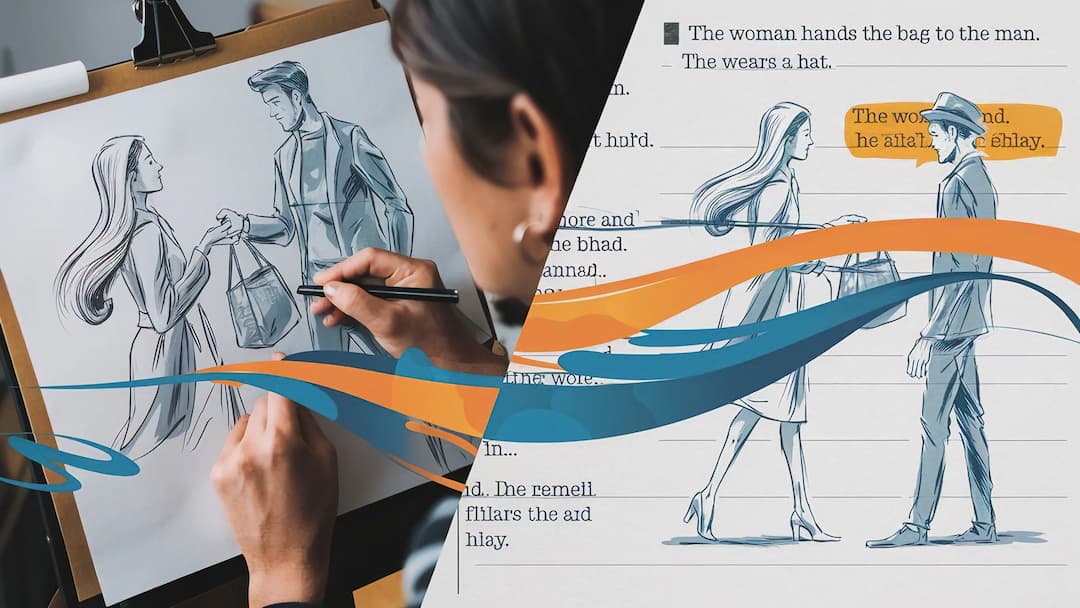
Any animation project rests upon a very compelling script. This is a stage that will see multiple drafts, character building, and story arc polishing. In professional studios, script development itself takes 2-3 months, and every single point that makes up the plot serves as the overarching narrative. It usually is done hand-in-hand by the writer and the director so that the visual sequence does not take away from the audience's engagement with the story.
-
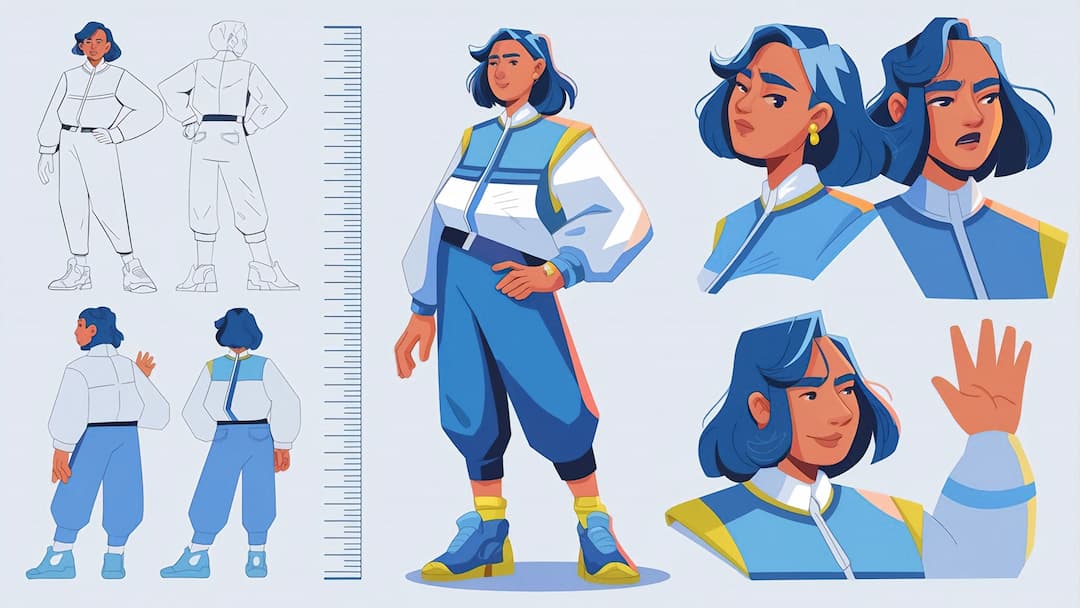
Character Design and Visual Development:
Artists create elaborate character designs that will eventually become stars of your show. This encompasses:
- Character model sheets depicting various angles and expressions
- Color palettes and style guides
- Documentation of personality traits
- Studies of movement and action poses
-
Storyboarding
Storyboard artists translate the script into a sequence of panels to work out and plan:
- Camera angles and movements
- Character positions and staging
- Scene transitions and timing
- Key emotional moments and action sequences

The Production Phase: Art Meets Tech
Digital Animation: Modern Theory
Present-day 2D animation blends traditional artistic practices with leading-edge digital products. Here's what happens during this critical phase of 2D animation production:
-
Asset Creation
Before an animation project can be developed, artists create:- Digital character rigs complete with parts that can be moved
- Background elements and props
- Templates for special effects
- Color scripts to maintain consistent lighting
Fun Fact: A single episode of a 2D animated television series may require 15,000 to 25,000 individual drawings or digital frames.
Animation Production: The Heart of the Process
-
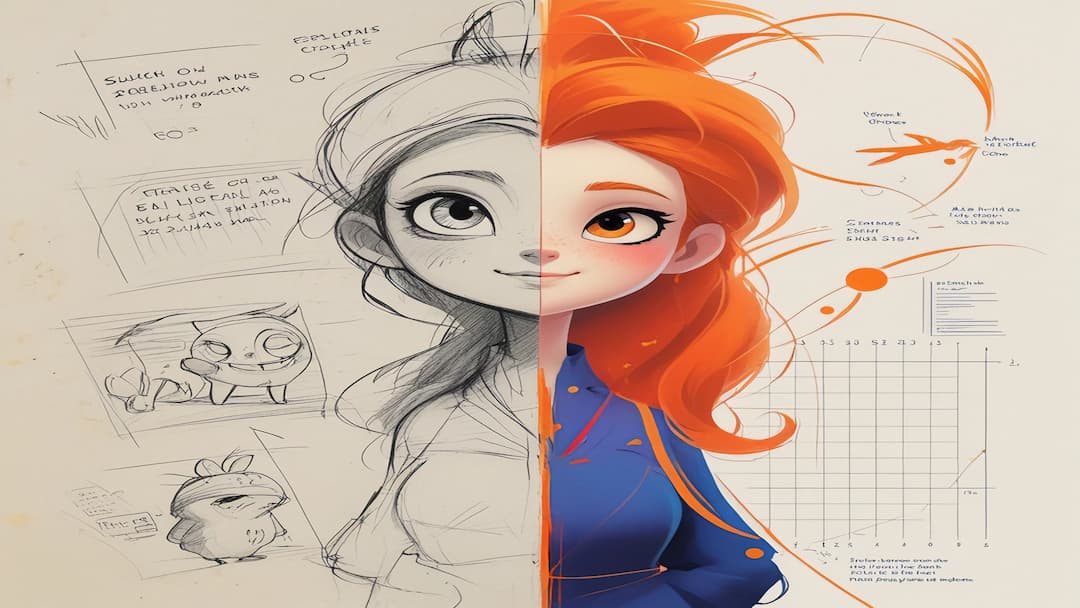
Rough Animation – Animators create key poses and rough movement sequences. This stage focuses on:
- Timing and spacing of actions
- Character weight and movement physics
- Emotional expression through motion
- Scene composition and flow
-
Clean-up and In-Betweening – Artists refine the rough animation by:
- Adding smooth transitions between key poses
- Ensuring consistent character design
- Polishing movement curves
- Adding secondary animation details
Post-Production: Adding the Final Touch
Sound and Music Integration
-
Sound Design
Professionals within the industry produce:
- Custom sound effects
- Ambient noise layers
- Orchestral scores
- Voice-over integration
Final Composition and Rendering
- Colour correction and grading
- Integration of special effects
- Optimizing the final render
- Quality Control Check
Behind the Numbers: Insights into Animation Industry
- Average production time for a 22-minute episode: 6-8 months
- Typical animation team size: 20-30 people
- Cost per minute of professional 2D animation: $8,000 - $50,000
- Frames per second: 24 (theatrical) or 12 (Television)
Independent Animation on the Rise
Future Prospects and Development
A word to the aspiring animators