KEY TAKEAWAYS:
- Character design is key to memorable animated content.
- An effective design links form and function through storytelling.
- It means understanding your audience to create impactful characters.
- Mastery of the basics frees up the creative and innovative juices when designing.
Why Character Design Matters More Than You Think
Imagine perusing your favorite streaming service, then BOOM. A certain character just leaps right out of the screen. It could be a sassy red-headed heroine, a loveable sidekick with classic killer abs, or a loveable sidekick with an impossible physique. What was it that made it so you could take your eyes off them?
Great character design is not about making things look pretty; it is about letting personalities resonate with whoever interacts with them. They become the faces of stories, brands, and even whole franchises. Think not only how many characters you can recognize only by the silhouette, but this shows design power.
Read Also on Character Designing:
Character Design Ideas: Thinking Outside the Box
Character Concept Art: Designing the Impossible
How to Design a Character - A Deep Dive into Character Design
Great character design is not about making things look pretty; it is about letting personalities resonate with whoever interacts with them. They become the faces of stories, brands, and even whole franchises. Think not only how many characters you can recognize only by the silhouette, but this shows design power.
Read Also on Character Designing:
Character Design Ideas: Thinking Outside the Box
Character Concept Art: Designing the Impossible
How to Design a Character - A Deep Dive into Character Design
The Building Blocks: Form Follows Function
Let’s start at the center of things. Even the most far-out character has got to make visual sense. To that end, “form follows function” is the first order of business.
- Shape Language: The base of any character
- Proportions: How the body parts relate, to create personality
- Silhouette: The instantly recognizable outline
Shape Language: The Silent Communicator
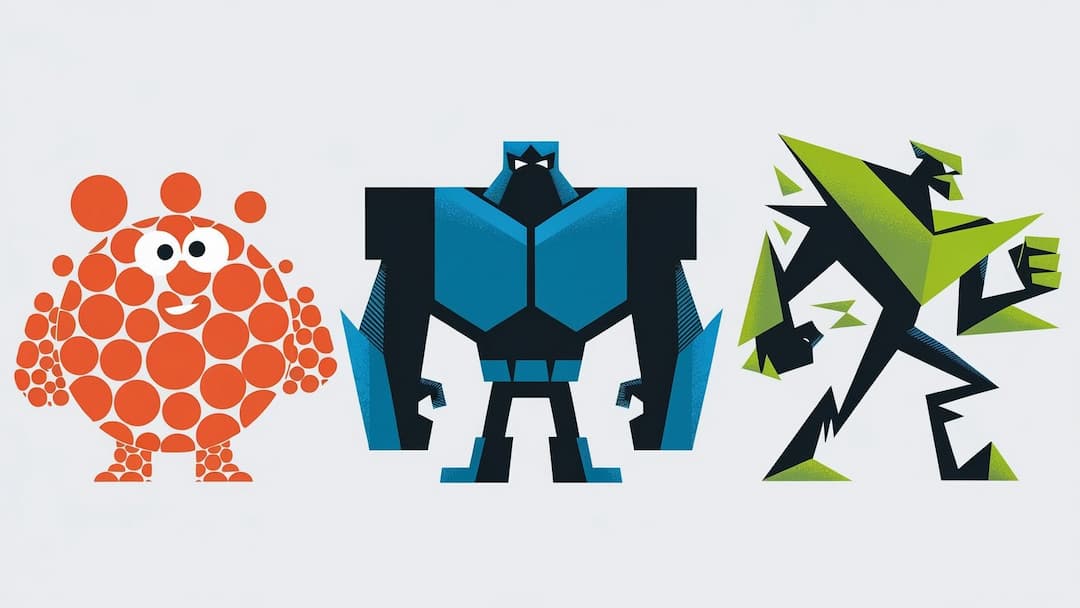
Shapes speak louder than words when it comes to character design. In brief:
| Shape | Associated Traits | Examples |
|---|---|---|
| Circles/Ovals | Friendly, approachable, cute | Mickey Mouse, Baymax |
| Squares/Rectangles | Stability, strength, reliability | Mr. Incredible, Wreck-It Ralph |
| Triangles | Dynamic, aggressive, mysterious | Maleficent, Syndrome |
Proportions: The Body Language of Design
How you distribute masses across a character’s body can say a lot about who they are. Then there’s the use of exaggerated proportions to accentuate given traits:
- Large head, small body = childlike, innocent
- Broad shoulders, narrow waist = heroic, confident
- Short legs, long body = comedic, clumsy
Silhouette: The Immediate Recognition Factor
A good character design ought to be recognizable by their silhouette alone. There exist some crucial reasons why this is important for:
- Readability within complex scenes
- Instant audience recognition
- Merchandising opportunities (think about the number of characters you can recognize on the front of a t-shirt from just a silhouette
Color Theory: Painting Personality
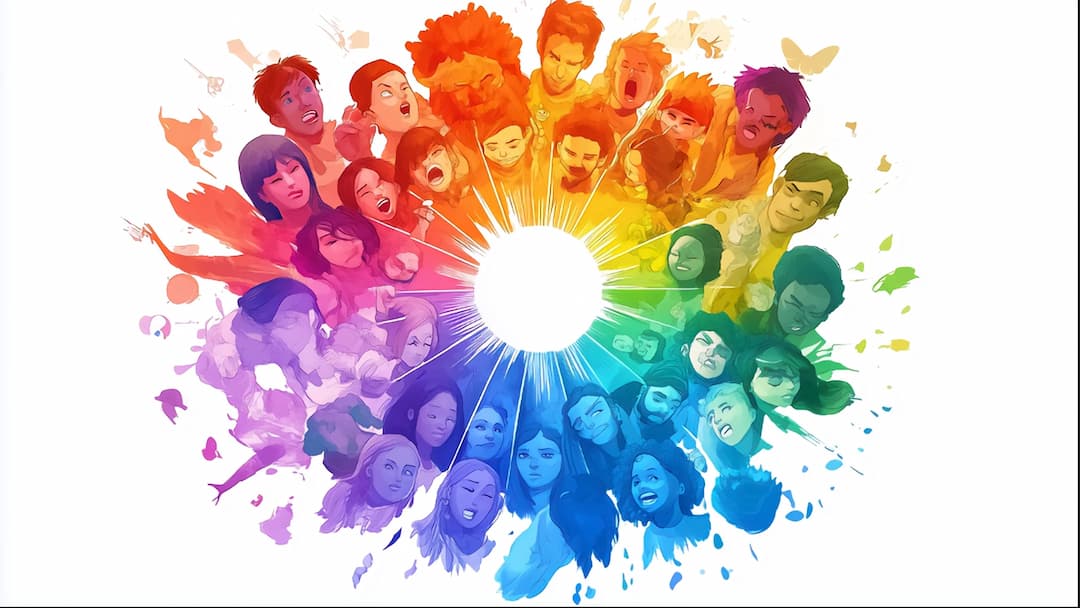
Color is not just about beautification; it is also a powerful medium that can be used to unleash feelings and personality. Here is a basic guide to get you started:
- Red: Passion, anger, energy
- Blue: Calm, trustworthy, sadness
- Yellow: Happiness, optimism, caution
- Green: Nature, growth, envy
- Purple: Royalty, mystery, creativity
Facial Features: Windows to the Soul
Eyes, noses, and mouths might seem like a minor point, but they’re where the real character comes out. Here are some tips on how to portray them effectively:
- Eyes: Eyes are often referred to as windows to the soul. They can really make or destroy the character’s appeal. Large, round eyes convey an image of helplessness, perhaps even of a child, while smaller and thinner eyes hint at cunningness or age.
- Noses: Noses are more difficult; they are generally highly simplified in animation. Their shape and size can usually give one clue as to the background or character of the person: a button nose, as opposed to a sharp, hooked one.
- Mouths: The expression of a mouth can define the whole demeanor of a character. A wide, toothy grin is open and friendly, whereas a small, pursed mouth denotes someone more reserved, critical, or judgmental.

Clothing and Accessories: Dressing for Success
What a character wears is as important as the character’s features. Costumes and accessories can:
- Indicate time period and setting
- Reflect personality and interests
- Show social status or occupation
Movement and Posing—Bringing Designs to Life
Static designs are just the beginning. How a character moves and poses is where their personality really comes out. Think about the following elements:
- Line of Action: The imaginary line that flows through the body, giving a sense of motion and intention
- Weight and Balance: How a character carries themselves can say a lot about their confidence or physique
- Signature Poses: Devise a couple of signature poses which tell a lot about who your character is, really

Backstory: The Invisible Design Element
Something most beginners overlook is that the history of the character shapes the design just as much as their visual elements. Before you even set pencil to paper, ask yourself where this character is from, what kind of experiences shaped them, what their goals and fears are.
These questions will inform every other design decision you may make: from the scars down their face to the way they walk. A character with a rich backstory feels real—even if the audience never explicitly knows that history.
These questions will inform every other design decision you may make: from the scars down their face to the way they walk. A character with a rich backstory feels real—even if the audience never explicitly knows that history.
The Iterative Process: Refining Your Designs
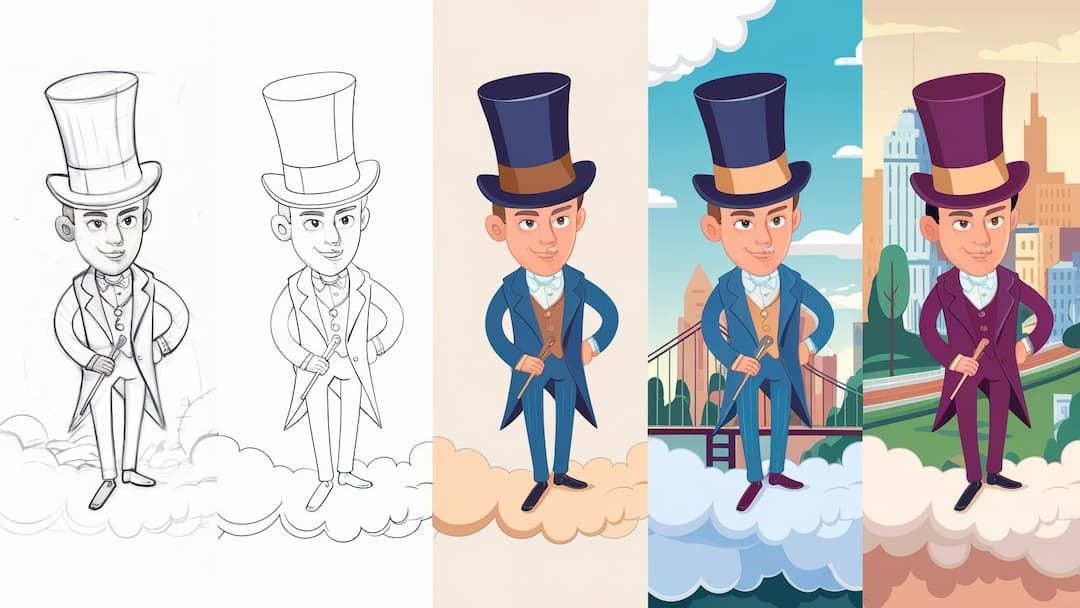
Here’s a secret from the pros: great character designs rarely come fully formed. It’s an iterative process that consists of:
- Sketching multiple concepts
- Getting feedback from others
- Refining and combining elements
- Testing the design in different scenarios
Tools of the Trade: Digital vs. Traditional
In today’s world, you have more tools at your disposal than ever before. While many designers work primarily digitally now, there’s still value in traditional methods:
- Digital Programs: Flexibility, undo buttons, and a huge range of different effects are only a few of the many features of digital programs.
- Traditional Media: Offers a distinctive feel and natural texture to the designs
Staying Inspired: Building Your Design Vocabulary
To really make unique characters, you have to be constantly feeding that visual library. Here are some ways to keep inspired:
- People watching: Observe the great diversity of humankind forms and expressions around you.
- Nature Study: Animals and plants can turn out to be unexpected inspirations for fantasy designs.
- Art History: This can include not only the classical arts but also fashion and architecture.
Bringing It All Together
Character design can be complex in its artistry—technical in expertise, creative in vision—all at once. It deals with the development of personalities that can carry stories sell products, or even just put a smile on people’s faces. As you get started designing your characters, here are some things to remember most:
- First, understand the basics—but don’t be afraid to break them.
- Let the personality and story of the character drive every design decision.
- Keep curious, keep adding to that visual vocabulary
- Practice, iterate—and don’t be afraid to start all over again
FAQ
1. What would be an average time for a character to be conceptualized?
The scale and complexity of the work make a huge difference. A simple character would take some hours; the major characters of a feature film can take weeks, sometimes months.
2. How can I make my characters stand out from others in the same genre?
Really, it’s about trying to give your characters unique features or feature combinations that haven’t been done before. Look at how you can blow up common tropes right out of the water, or blend elements that no one would ever put together on their own. Most importantly, though, make them have real personalities that aren’t limited by just surface level design.
3. Is it okay to be inspired by other characters?
Of course! All artists borrow from what they see and admire. The secret, however, lies in using such inspirations as a point of take-off, not an end in themselves. Make use of the elements you like, but combine them with your own ideas to bring out something new and different.
4. How do you feel color plays into character design?
Color is such a key element in selling mood or personality, or even plot points. Still, if the character design isn’t that great to begin with, it shouldn’t be reliant on color; a good character design should read well in black and white first of all. Get the shapes and forms working first, then use color to enhance and fine-tune the design.
5. How do I practice character design if I’m a beginner?
Start looking around you. Draw the people you see, redo characters that already exist, or take on the challenge of a new design every day. Share your work online to receive critiques from fellow artists. Keep in mind that the skill of character design, like any other skill, will only grow and flourish through assiduous practice and endless study.